Workshop ‘Indigenous rights and governance instruments in the Amazon’

The Power of Connections Project: Harvesting Lessons and Strengthening Coalitions for Amazonian Conservation

Organizers and collaborators

The workshop

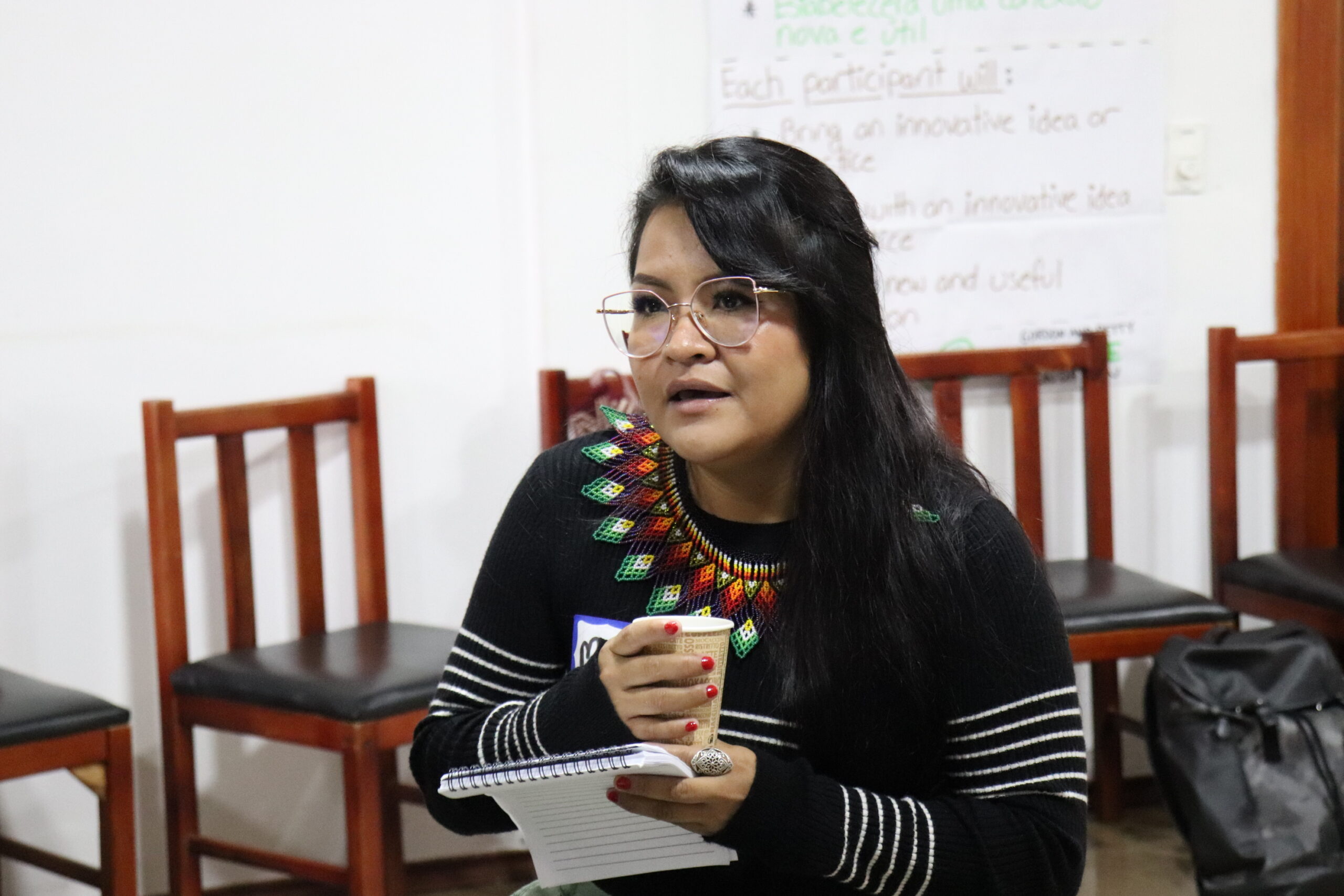
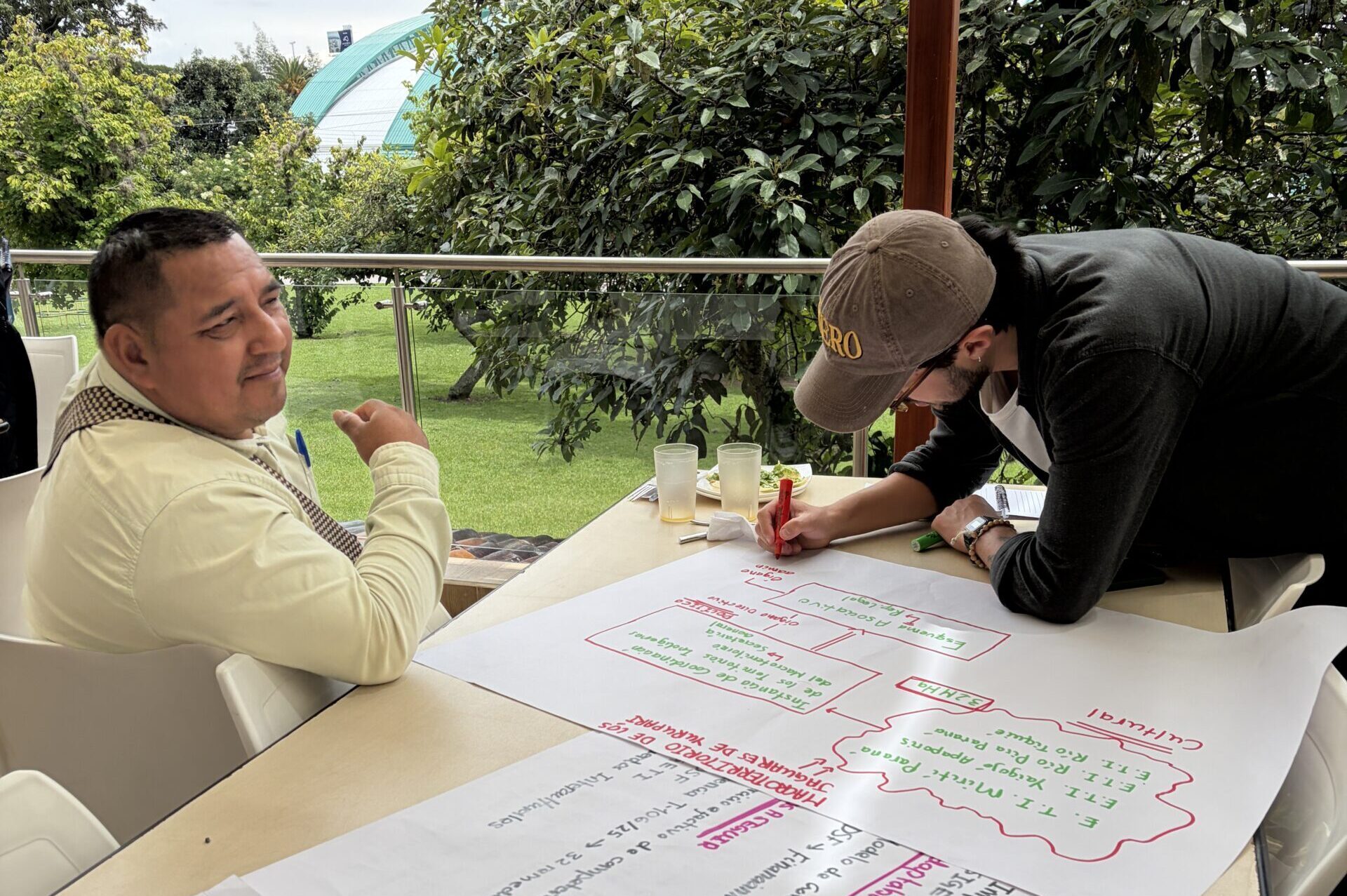
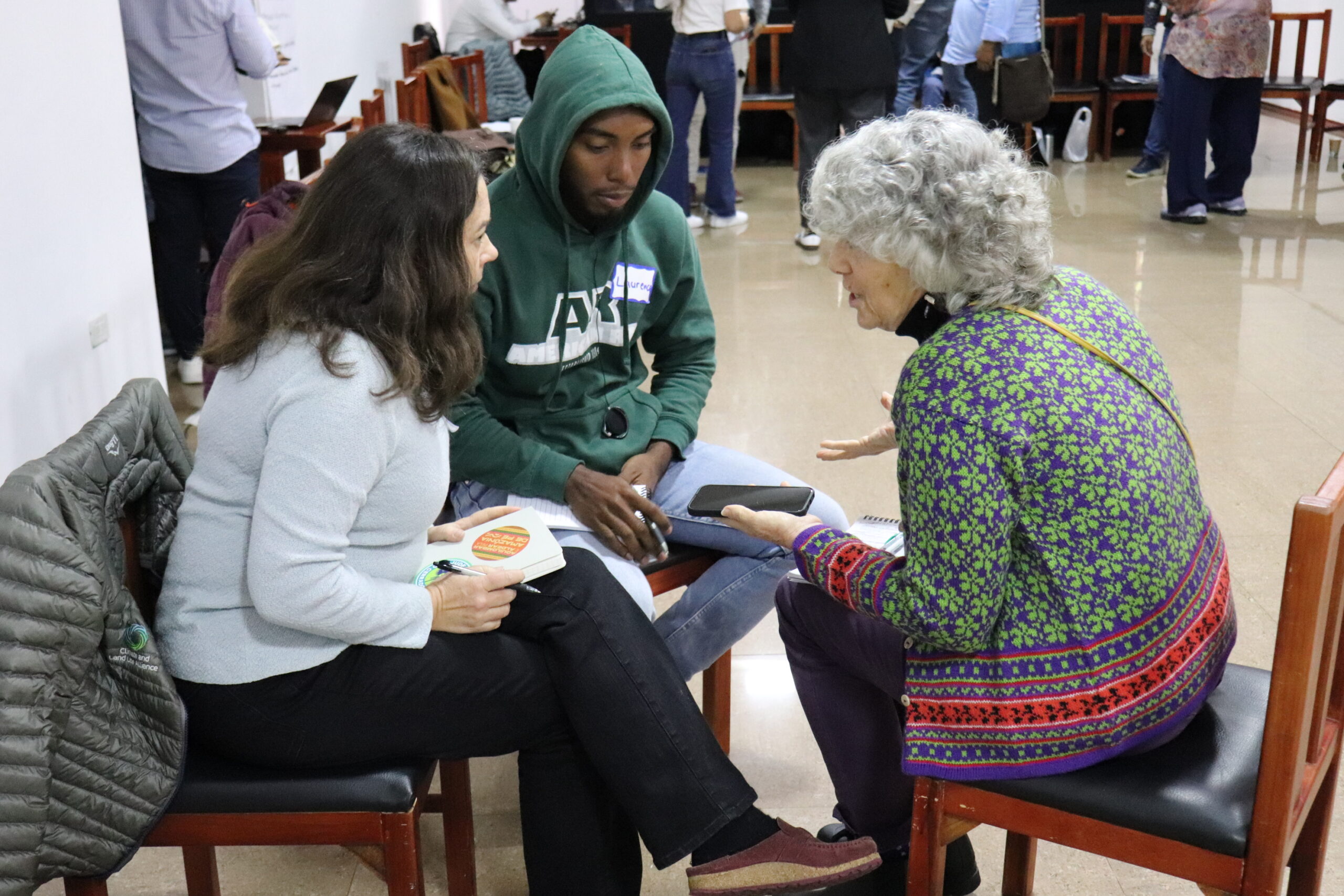
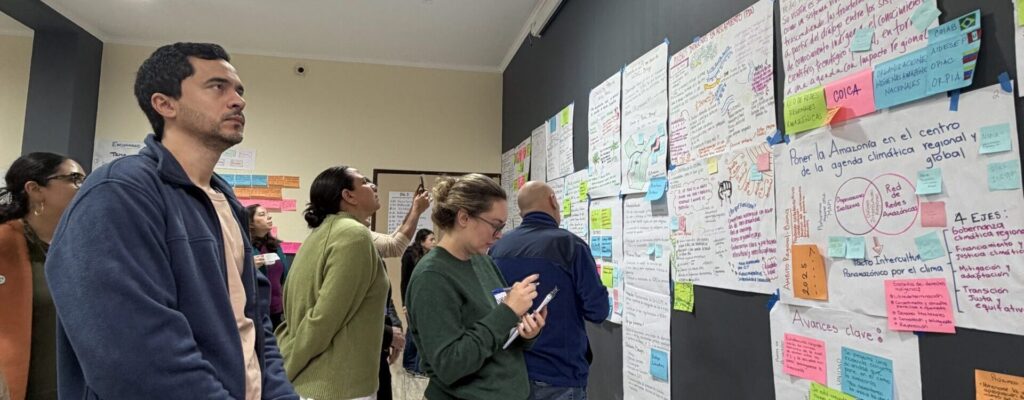
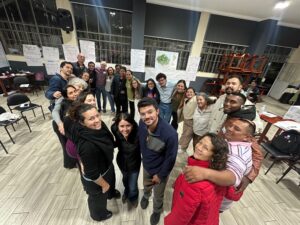
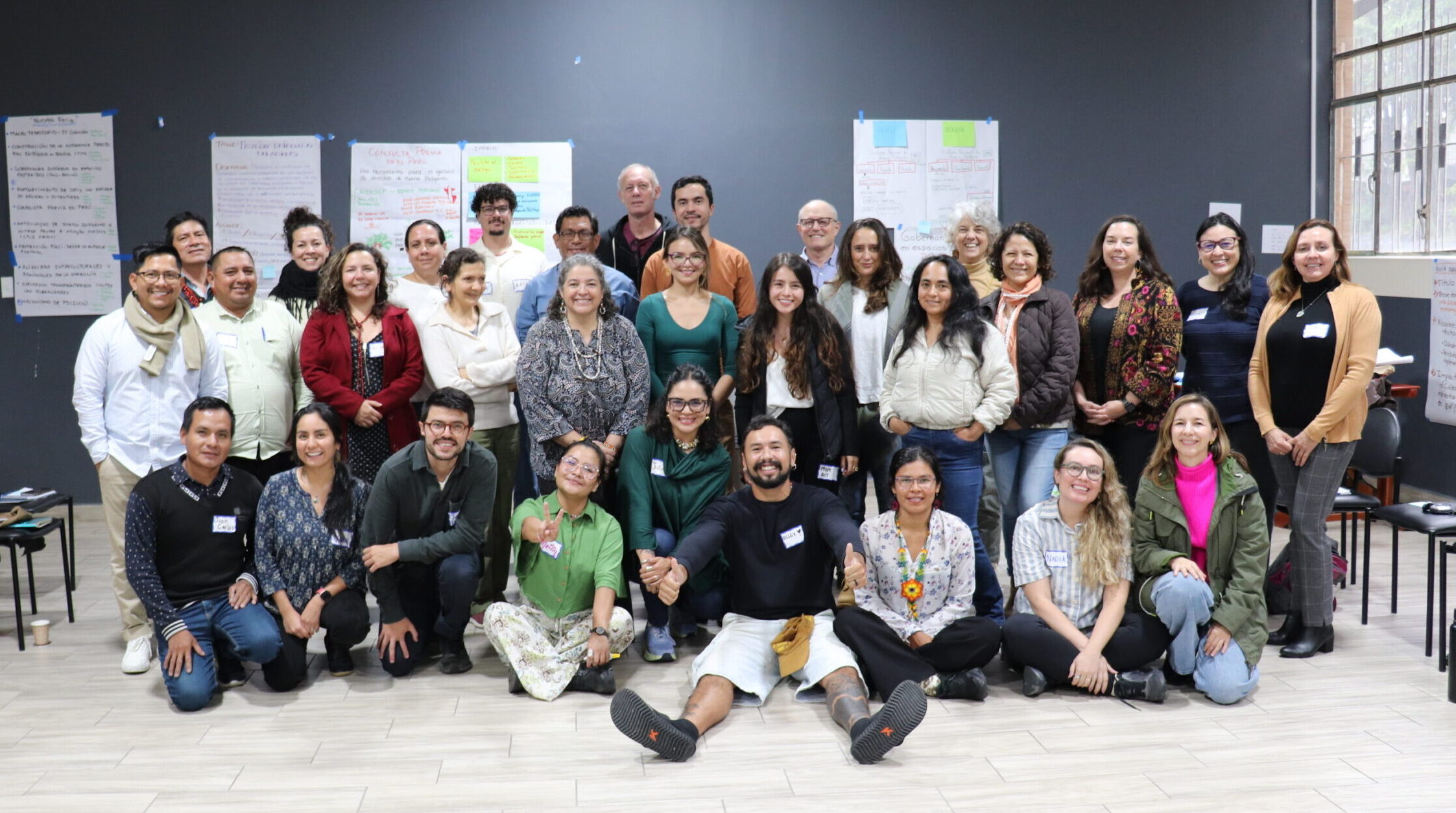
• Over 4 days, 21 workshop participants from 7 countries gathered to exchange innovative legal strategies and lessons learned from their experiences;
• Held in Quito, Ecuador, from January 26 to 29, 2026;
• Organized by the UF Tropical Conservation and Development Program and the Ecuadorian Network of Political Science and International Relations (CIPRI) with support from the Gordon and Betty Moore Foundation;
• Johanna Espín (University of Florida) was the main intellectual leader.

Workshop objectives

  1. Assess how governance instruments (rules, laws, policies, strategies) have contributed to protecting life, territories, and rights.
  2. Reflect on the effectiveness of legal frameworks in advancing policies that protect Indigenous Peoples’ rights across Amazonian countries.
  3. Share innovative, replicable strategies that strengthen Indigenous agency and self-determination.
  4. Identify next steps to strengthen coalitions in support of Indigenous rights and effective governance.
WORKSHOP AGENDA

Day 1 – Build community

Day 2 – Establish common foundations of key concepts and national frameworks (relationship between Indigenous rights and conservation, Indigenous self-determination, territorial self-governance) and prepare to share experiences

Day 3 – Share experiences and innovative legal strategies

Day 4 – Discuss lessons learned, potential products, and collective next steps

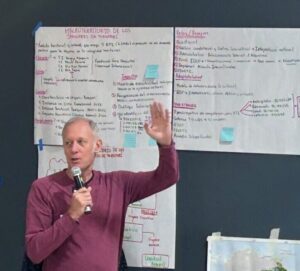
My role has been as thematic leader of the workshop. The concept of this workshop was built collectively with the team from the University of Florida. Over several months, we worked on the conceptual foundations and the content addressed here, particularly on the use of the law and the rights of Indigenous peoples as instruments for the defense of the Amazon."

Johanna Espin

Postdoctoral Associate, University of Florida

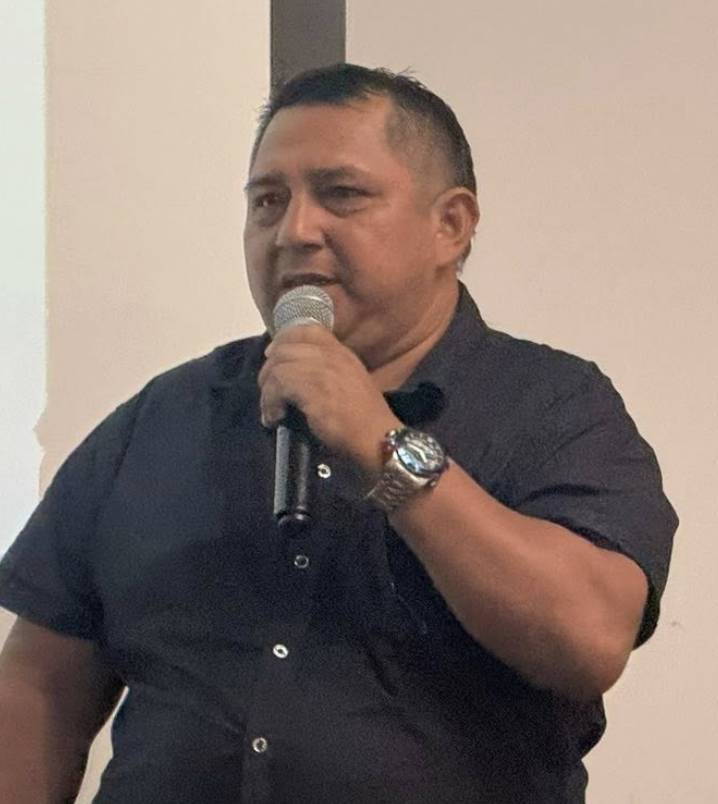
I am very happy to be part of this workshop and share some experiences in terms of the processes of Indigenous Peoples, focused on environmental conservation. As Indigenous Peoples of the Colombian Amazon, we are organized in something that we have called Macroterritory, which we can liken to an Indigenous province. In this macroterritory there are four Indigenous governments, which have formalized a cultural and political agreement to guarantee territorial and cultural integrity, but also to advance in the establishment of the Indigenous territorial entities that have recently been established. On December 16, 2025, President Petro signed this decree. So in that sense, my role is to provide political advice to this macroterritorial body, which is now a recognized political space in Colombia."

Antonio Matapi

Political technical support, Coordination Body of the Indigenous Territories of the Jaguares de Yurupari Macroterritory, Colombia

Something that has caught my attention in the workshop is learning from the Colombian experience, because in Bolivia the recognition of Indigenous rights within the constitutional reform followed the Colombian model a lot, and we had advisors and technicians who came to our country, and then we learned that it had been stopped for several years. Now, I have been very satisfied with the progress that has been presented and how they have been organized in the autonomous territorial entities."

Leonardo Tamborini

Executive Director, ORE Legal and Social Support Organization, Bolivia

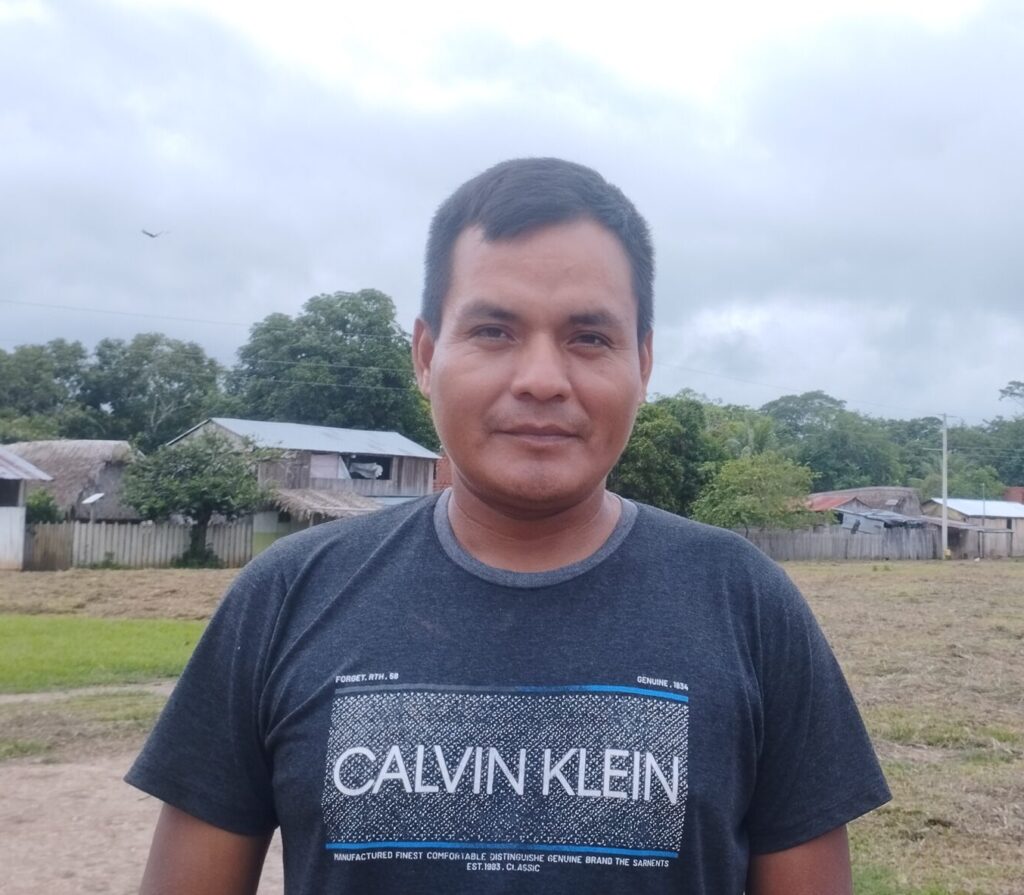
The workshop methodology allowed us to establish more fluid and closer conversations and better share narratives and explain all topics clearly. I was able to contribute with our [Bolivian] example of implementing our own self-sustained system of territorial control and surveillance in the GIA TIM."

Juan Carlos Semo Moye

Coordinator, Autonomous Indigenous Government of the Multiethnic Indigenous Territory (GIA TIM), Bolivia

Participants insights

Together, participants have reflected on the following key take messages:

  • The Amazon’s cultural and knowledge diversity drives the shift from a linear economy to models that value socio-biodiversity. This transition fosters lasting positive impacts for both people and the planet.
  • Promote financing that values nature and local communities, enabling responsible and resilient economic pathways. This requires addressing social inclusion gaps through stronger dialogue among communities, investors, researchers, and governments.
  • SocioBioeconomies must be environmentally responsible, socially and financially fair, and inclusive across genders and generations. At the same time, they should generate returns comparable to or greater than the conventional economy.

I appreciated the exchange, learning about experiences from other countries in Indigenous rights and innovative strategies. Also, the intersection between Indigenous rights – particularly autonomy – with conservation."

Luisa Fernanda Bacca

CoDirectora, PanAmazonian Institute

I really enjoyed the participant interactions, especially the dialogues about the different strategies to face the threats and to empower Indigenous Peoples. The way in which the dynamics were carried out was essential for this interaction to occur. Through these dynamics it was possible to talk to all colleagues and obtain much information about the functioning of institutions and territorial management in each of the countries.''

Rafael Martins da Silva

Prosecutor of the Republic, Brazilian Federal Public Prosecutors Office

POC logo

This workshop is the last of five distinct thematic workshops implemented in 2025-26 in the Amazon Basin under the Power of Connections project

PROJECT PURPOSE

In a context of constant and unpredictable change in Amazonia, the Power of Connections project builds on pragmatic conservation insights from Pan-Amazonian Indigenous elders and youth, the private sector, researchers, funders, government officials, and legal practitioners. The project provides platforms and processes to share what has been working to consolidate and expand protections for Amazonian lands and people. Leveraging their collective intelligence and using their hard-won knowledge and coalitions, participants address the basin’s most pressing challenges and in ways that honor territorial and cultural integrity and foster pragmatic synergies between ancestral wisdom and contemporary contexts.

PROJECT LEADERSHIP

The Power of Connections Project is led by the Tropical Conservation and Development Program (TCD) within the Center for Latin American Studies at the University of Florida (UF). TCD is proud to partner with the Gordon and Betty Moore Foundation who has funded this project and website.
Questions and comments

Contact us

Contact: tcd@latam.ufl.edu
Website: https://amazonconservationconnections.com/

Photos credits: