74th Annual Conference
The Power of Connections: Harvesting Lessons and Strengthening Coalitions for Amazonian Conservation
UF CENTER FOR LATIN AMERICAN STUDIES
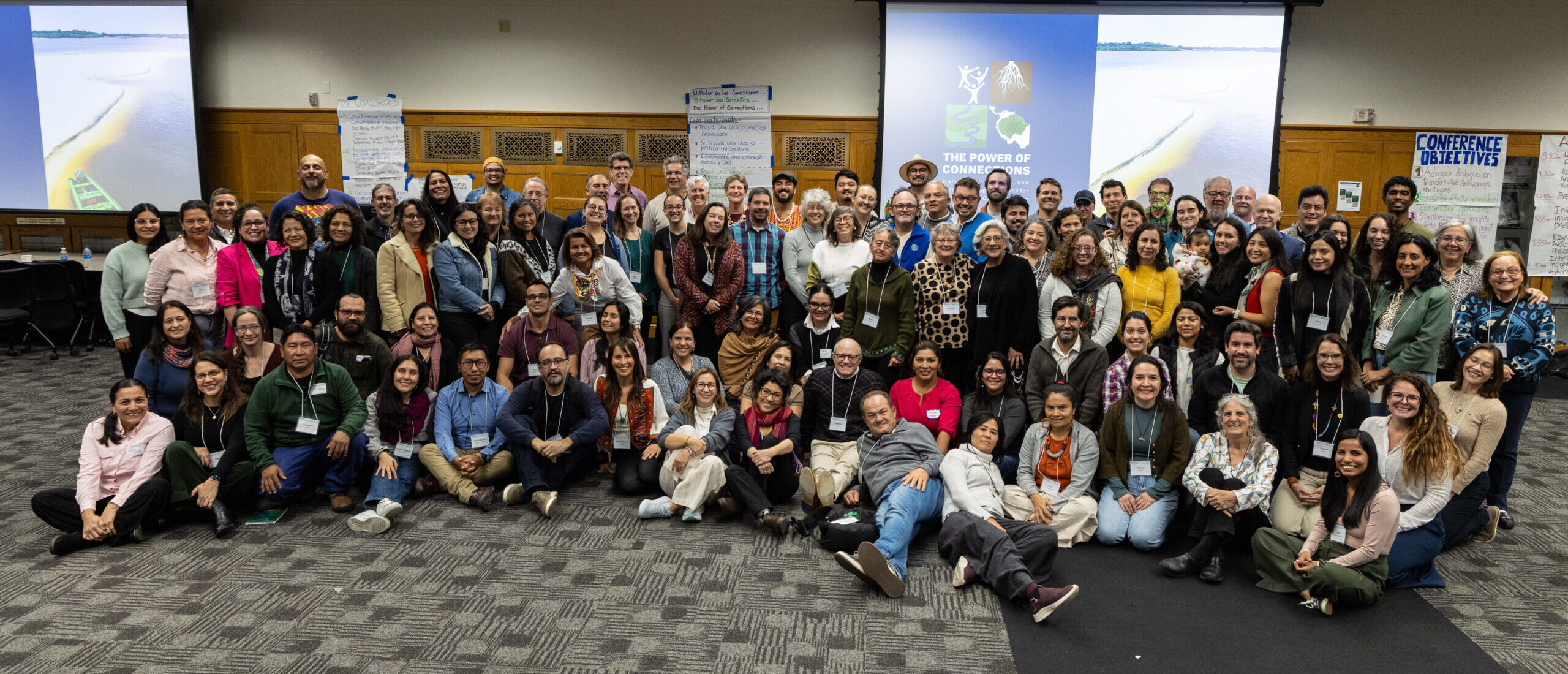
From February 22–27, 2026, researchers, practitioners, Indigenous leaders and youth, funders, government, NGO, and private sector representatives gathered at the University of Florida to exchange knowledge and strengthen collaboration for Amazonian conservation. The week featured four interconnected events: the 74th Annual Conference of the Center for Latin American Studies (LAS), an Amazon Conservation Summit, Training Clinics, and a Tropical Conservation and Development (TCD) alumni visioning session. Organized in collaboration with the TCD Program, the Gordon and Betty Moore Foundation, and LAS, these events built on five previous workshops across the Amazon basin through the Power of Connections initiative.
TCD Visioning
TCD alumni explored how the program should evolve over the next 10 years to strengthen research and training. The discussion focused on the key skills future TCD students need, how conservation may change in the coming decade, the program’s added value (field-based, problem-oriented, and communication-focused training), and the importance of networking and community building.
https://youtu.be/tQMRyjjmM2g
https://youtu.be/ENDdx_mY04M
Discussion Forums
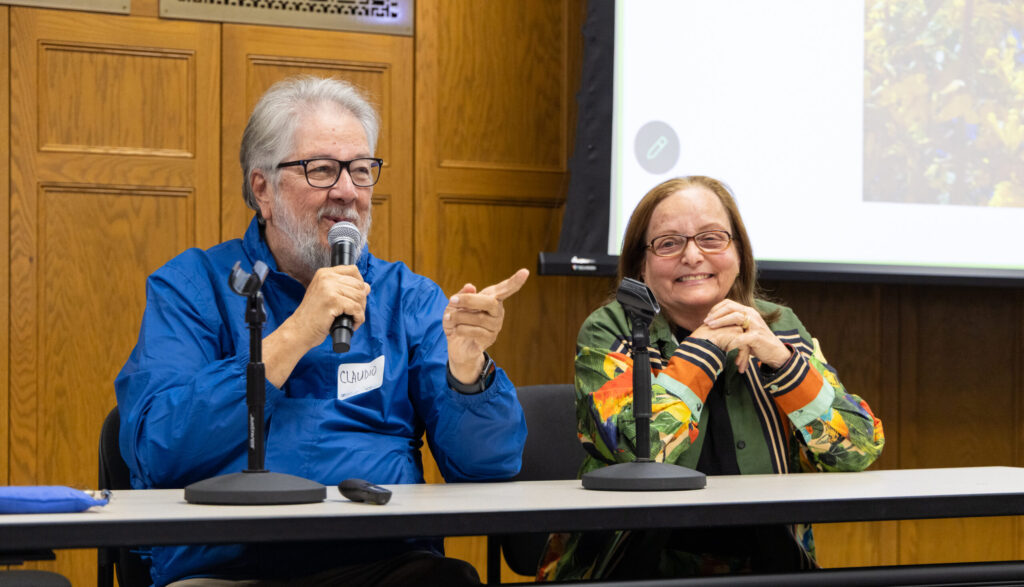
– 40 Years of Conservation Science and Practice. Speakers: Suzana Padua &
Claudio Valladares Padua (Institute for Ecological Research – IPÊ).
click here to watch
– Conservation in the Context of Rising Crime & Illegal Activities. Speakers: Liliana Davalos (Stony Brook University), Hernan Alvarez (University of Florida) & Johanna Espin (University of Florida).
click here to watch
– Insights from the Science Panel of the Amazon (SPA). Speakers: Marielos Peña-Claros (Wageningen University & SPA Co-Chair), Marianne Schmink (University of Florida), Simone Athayde (World Resources Institute) & Silvia Futada (University of Florida / Instituto Socioambiental)
click here to watch
– Conservation funding. Speakers: Maria DiGiano (Gordon and Betty Moore Foundation) & Jean-Gaël Collomb (Wildlife Conservation Network)
click here to watch
Conference main day
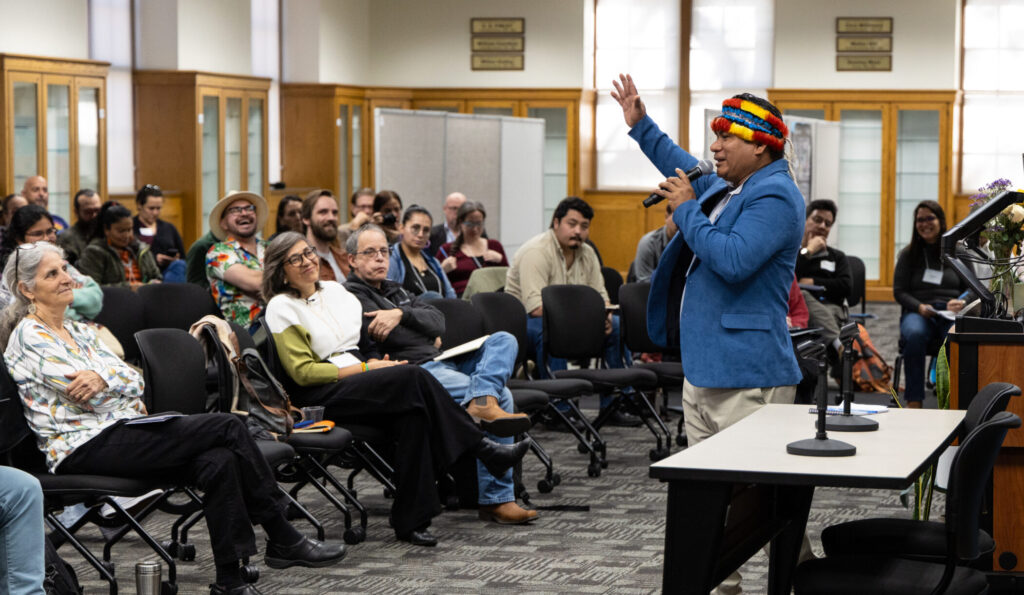
The conference featured keynote talks from leading voices in Amazonian conservation, addressing socio-ecological tipping points, Indigenous perspectives, coalition-building, and on-the-ground impact. The program also included interactive sessions, presentations of insights from the five POC regional workshops, the project overview, a special musical performance, and a poster session.
Keynote speakers
– Socio-ecological tipping points. Speaker: Ane Alencar (Instituto de Pesquisa Ambiental da Amazônia – IPAM), click here to watch
– An Indigenous perspective for a living, thriving Amazonia. Speaker: Tuntiak Katan (IKIAM Flourish), click here to watch
– Cooperation to build effective coalitions. Speaker: Avecita Chicchón (Gordon and Betty Moore Foundation), click here to watch
– Fostering positive impacts on the ground. Speaker: Pascal Martinez (Global Environment Facility)
Training Clinics
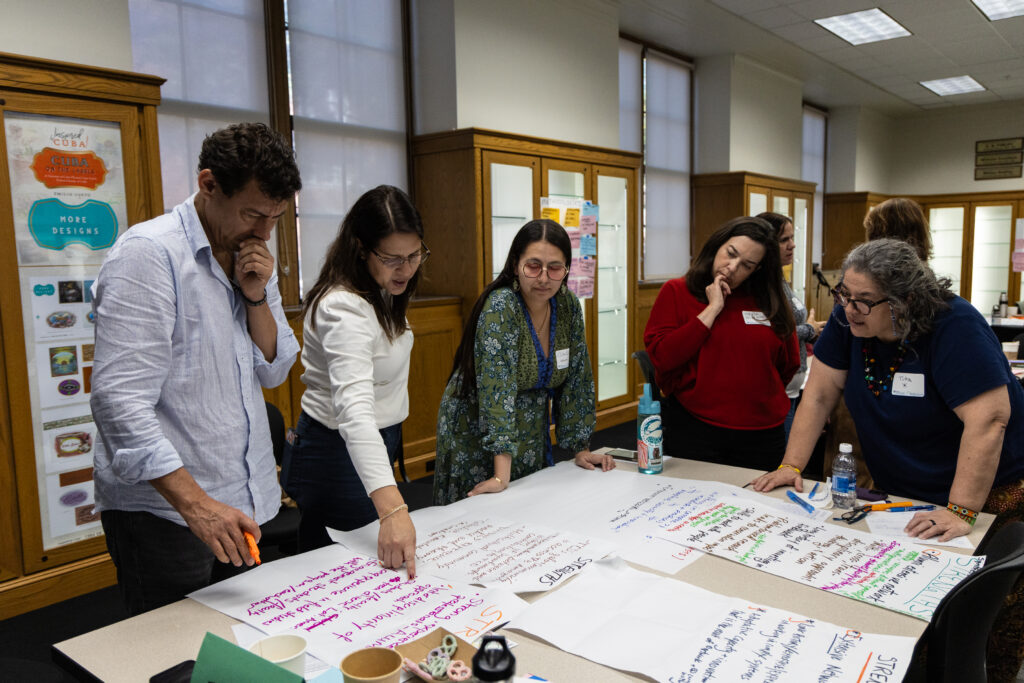
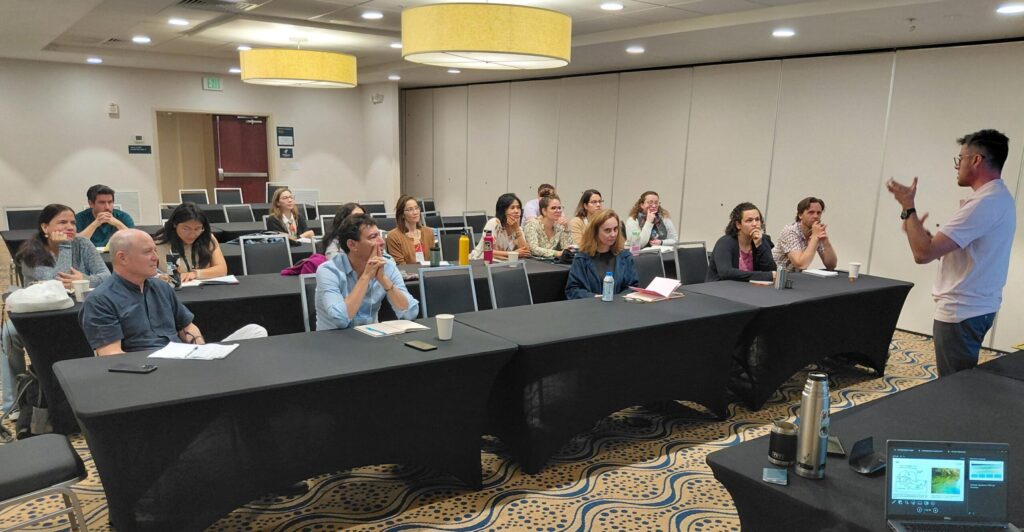
Hands-on training clinics provided participants with practical skills for conservation, including collaborative systems design, data management, policy communication, storytelling, and community engagement. Sessions also created space to address key professional challenges, such as gender equity and navigating difficult conversations, while strengthening tools for effective and inclusive conservation work.